
Cannabis & Immigration: Know the Risks
Working in a state-legal cannabis business can destroy your immigration case. The federal government still classifies marijuana as a Schedule I controlled substance — and USCIS is using cannabis employment to deny citizenship, green cards, and even deport lawful permanent residents. Novo Legal Group has been at the forefront of this emerging legal crisis.
Book a Consultation 📞 (303) 296-2693 — Denver | (206) 829-8752 — SeattleThe Conflict Between State Cannabis Laws and Federal Immigration Law
In states like Colorado, Washington, California, and dozens of others, marijuana is legal for recreational and medical use. Millions of Americans work in the cannabis industry — a market worth tens of billions of dollars. But for immigrants, including lawful permanent residents (green card holders), the legal cannabis industry is a minefield that can jeopardize everything they have built.
The reason is straightforward and devastating: marijuana remains a Schedule I controlled substance under federal law, and immigration law is entirely federal. This means that any involvement with cannabis — even in a state where it is completely legal — can be treated as a "controlled substance violation" by U.S. Citizenship and Immigration Services (USCIS), regardless of whether the individual has ever been arrested or charged with a crime.
State Law
Cannabis is legal for recreational and/or medical use in 38+ states. Licensed businesses operate openly and pay state taxes.
Federal Law
Marijuana remains Schedule I under the Controlled Substances Act. USCIS treats any cannabis involvement as a federal violation.
Warning for Green Card Holders and Visa Holders: If you work in the cannabis industry or have any connection to cannabis businesses — including as an investor, consultant, or support staff — your immigration status may be at risk. USCIS has denied citizenship applications and initiated removal proceedings based solely on legal employment in state-licensed cannabis operations. Do not attend a USCIS interview without consulting an immigration attorney first.
How Cannabis Employment Affects Immigration
The consequences of cannabis involvement for immigrants are severe and often come as a complete shock to people who have done nothing illegal under their state's laws:
- Citizenship denied: USCIS can deny a naturalization application on "good moral character" grounds if the applicant has any involvement with cannabis, even legal employment. This is what happened to Novo Legal's client Oswaldo Barrientos — a green card holder from El Salvador who was denied citizenship because he worked at a state-licensed cannabis operation.
- Green card jeopardized: Lawful permanent residents who work in cannabis may face denial of their green card renewal or even be placed in removal (deportation) proceedings.
- Visa applications denied: Any admission of cannabis use or involvement during a visa interview — even if legal in the applicant's state — can result in visa denial or a finding of inadmissibility.
- USCIS interview traps: Immigration officers routinely ask about employment history during citizenship interviews. Honest answers about cannabis employment are then used against applicants. As Novo Legal attorney Bryce Downer has warned, these interviews can become a "trap" for immigrants who are simply telling the truth about their legal jobs.
Are you an immigrant working in the cannabis industry? Have you been denied citizenship or a green card because of cannabis employment? Novo Legal Group has been fighting these cases since the issue first emerged. Call (303) 296-2693 or book a consultation online.
The Barrientos Case: A National Wake-Up Call
The case of Oswaldo Barrientos became national news and brought the cannabis-immigration conflict into sharp focus. Barrientos, a lawful permanent resident from El Salvador, had lived in the United States for years and applied for citizenship. He worked at a state-licensed cannabis operation in Colorado — a completely legal job under Colorado law.
In February 2019, USCIS sent Barrientos a letter denying his citizenship application on the grounds of a "controlled substance violation." He had never been arrested. He had never been charged with a crime. His only "violation" was working in an industry that his state had legalized and regulated. Novo Legal attorneys Aaron Elinoff and Bryce Downer took on his case, and the story generated national coverage that helped expose how federal immigration enforcement was penalizing immigrants for following state law.
Barrientos was not alone. A second Novo Legal client — also a green card holder — was denied citizenship on the same grounds. And across the country, immigration attorneys began reporting similar cases as the scope of the problem became clear.
The Congressional Response
The Barrientos case helped prompt a bipartisan legislative response. U.S. Senators Cory Gardner (R-CO) and Elizabeth Warren (D-MA) introduced legislation aimed at protecting immigrants in states where cannabis is legal from federal immigration consequences. Denver city officials also sought formal clarification from the Department of Justice. While comprehensive legislative reform has not yet passed, the issue remains active in Congress and continues to generate bipartisan support.
What Are Your Options?
If you are an immigrant involved in the cannabis industry, you should take immediate steps to protect yourself:
- Consult an immigration attorney before any USCIS interaction. Do not attend a citizenship interview, green card interview, or any other USCIS appointment without legal representation. What you say in these interviews can be used against you.
- Understand your exposure. Even tangential involvement with cannabis — such as investing in a cannabis company, providing consulting services, or working in a role that supports cannabis operations — may be considered a controlled substance violation by USCIS.
- Document your legal employment. If you have worked in the cannabis industry, keep records showing that your employment was with a state-licensed operation and complied with all applicable state laws.
- Consider timing carefully. If you are planning to apply for citizenship or a green card, discuss the timing and strategy with an immigration attorney who understands both cannabis law and immigration law.
- Know your rights if denied. A denial of a citizenship or green card application is not the end. Appeals and other legal remedies may be available.
For more information on deportation defense and removal proceedings, visit our Deportation Defense page.
Media Coverage
Novo Legal Group attorneys Aaron Elinoff and Bryce Downer have been widely cited in national media for their representation of immigrants caught in the cannabis-immigration conflict.
For Novo Legal's full media coverage across all issues, visit our Newsroom.
Your Attorneys on This Issue

Aaron Elinoff
Aaron Elinoff is a nationally recognized immigration attorney who identified the cannabis-immigration conflict early and has been a leading voice on the issue ever since. His representation of Oswaldo Barrientos and other immigrants caught between state and federal law generated national media coverage and helped bring the issue to the attention of Congress.
"These are people who followed the law in their state, paid their taxes, and built their lives here. And the federal government is punishing them for it. The cannabis-immigration conflict is one of the most unjust collisions in American law right now."
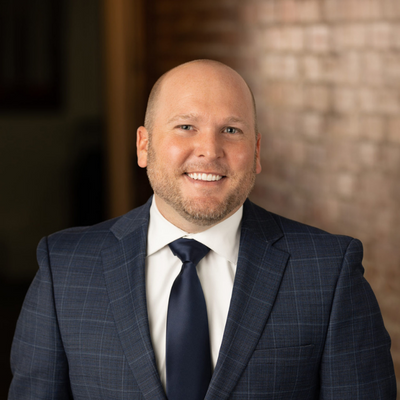
Bryce Downer
Bryce Downer is a founding partner of Novo Legal Group and has been instrumental in the firm's cannabis-immigration litigation. His warning that USCIS citizenship interviews can become a "trap" for immigrants in the cannabis industry has been widely quoted in national media and has helped raise awareness of the risks facing green card holders in legal cannabis states.
"The citizenship interview becomes a trap. USCIS asks about your employment, and if you answer honestly about working in a legal cannabis business, they use it to deny your application. It's a system that punishes honesty."
Frequently Asked Questions
Can I be denied citizenship for working in legal cannabis?
Yes. USCIS has denied citizenship applications based on employment in state-legal cannabis businesses. Under federal law, marijuana remains a Schedule I controlled substance, and USCIS can determine that cannabis involvement reflects a lack of "good moral character" — a requirement for naturalization. This is true even if you have never been arrested or charged with any crime.
Can a green card holder be deported for cannabis employment?
Potentially, yes. While deportation proceedings based solely on legal cannabis employment are less common than citizenship denials, the legal risk exists. A lawful permanent resident who admits to cannabis involvement during a USCIS interview may be found to have committed a "controlled substance violation" under federal law, which can make them deportable or inadmissible.
What if I only invest in cannabis companies but don't work in the industry directly?
Even indirect involvement can trigger immigration consequences. USCIS has broad discretion in evaluating "good moral character" and may consider investment in, ownership of, or financial benefit from cannabis businesses as involvement with a controlled substance. If you are a non-citizen with any financial interest in cannabis, consult an immigration attorney.
Should I lie about my cannabis employment during a USCIS interview?
Absolutely not. Lying to a federal immigration officer is a separate crime — fraud or misrepresentation — that can result in permanent bars to immigration benefits and even criminal prosecution. The answer is not to lie, but to be prepared. Have an immigration attorney advise you before any USCIS interview so you understand how to present your situation while protecting your rights.
What about CBD or hemp products?
Hemp-derived CBD products containing less than 0.3% THC were legalized federally by the 2018 Farm Bill. Working with legal hemp or CBD products should generally not create immigration issues. However, the line between hemp and marijuana can be blurry, and USCIS may scrutinize involvement with any cannabis-adjacent business. If your work involves any cannabis product, consult with an attorney to understand your specific risk.
Has Congress done anything to fix this?
Several legislative proposals have been introduced to address the cannabis-immigration conflict, including a bipartisan bill from Senators Cory Gardner and Elizabeth Warren prompted partly by the Barrientos case that Novo Legal litigated. However, no comprehensive solution has been enacted. Until Congress passes legislation, the conflict between state cannabis legalization and federal immigration enforcement will continue to trap immigrants in an impossible situation.
Protect Your Immigration Status
If you are an immigrant working in the cannabis industry — or considering it — don't risk your future without legal guidance. Novo Legal Group has been at the forefront of cannabis and immigration law since the issue first emerged.
For Attorneys: Novo Legal welcomes referrals and co-counsel arrangements on cannabis-immigration cases. Contact us at info@novo-legal.com
Facing a Different Immigration Challenge?
Novo Legal Group handles deportation defense, asylum, DACA, family-based immigration, business visas, impact litigation, and more. Our attorneys are nationally recognized thought leaders across multiple areas of immigration law.
Legal Disclaimer: The information on this page is for general informational purposes only and does not constitute legal advice. No attorney-client relationship is formed by reading this content. Past results do not guarantee future outcomes. Every case is unique and results depend on specific facts and circumstances. This page may constitute attorney advertising. Novo Legal Group, P.C. is licensed to practice law in the State of Colorado. Contact us at info@novo-legal.com or 303-335-0250.